Online Course


What is an Online Course?
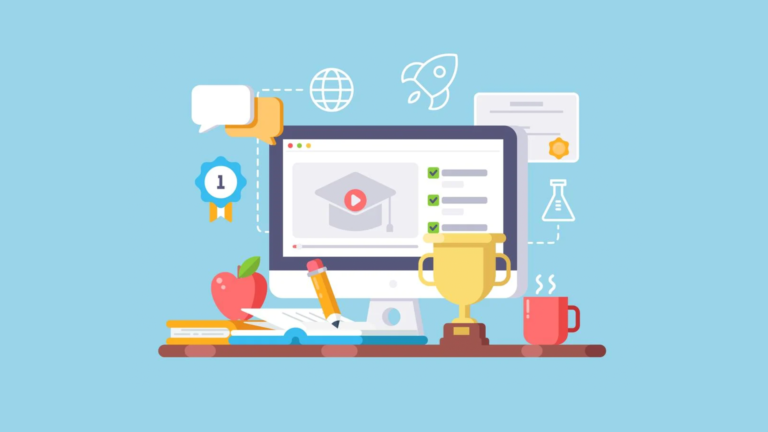
An online course is a structured educational program delivered over the internet, where instructors teach through live video streaming, recorded videos, eBooks, webinars, and quizzes. Also known as an “online class,” this format lets students learn regardless of location.
Online courses range from free to paid, and many offer self-paced learning so students can gain an education while working or managing other responsibilities.
There has never been a better time to start an online course. Affordable online course platforms make it straightforward to share knowledge with thousands of students worldwide.
Are There Different Types of Online Course?
All online courses take place with an internet connection, but there are different kinds of classes to consider. For instance:
- Video courses: Video lessons are among the simplest types of online courses. An educator records videos to guide a student through a topic or idea. Often, students are allowed to access these videos asynchronously. In other words, the course isn’t delivered in real-time, but instead offered for users to access whenever they choose.
- Interactive online courses: Interactive online courses invest more in engaging the students involved. You might have quizzes you can take, or tests to help determine how well you’re learning. An interactive online course may include more back-and-forth between students and teachers too.
- Webinars: Webinars are a kind of interactive online course where educators connect frequently with students through chat, email, and video. Though less flexible than other formats since you must attend sessions at specific times, webinars are often highly engaging.
- One on one training: Some online course providers walk their students through the training experience on a one-to-one basis. Though this is less common than group learning, it can be ideal for students who need extra help grasping a topic.
- Self-directed learning: With self-directed learning, students read articles, explore videos, and take tests in their own time. An educator may be available to answer questions, but the student is mostly responsible for their own learning.
What are the Benefits of an Online Course?
Online courses originated as a way for people without access to local education to gain certifications and knowledge. Their popularity surged as more learners sought flexible alternatives to traditional classrooms. Key benefits include:
- Accessible: Connect to teachers and materials from anywhere with no geographic restrictions.
- Flexible: Choose your own study hours, ideal for parents and professionals balancing work.
- Affordable: Often far cheaper than in-person education with no travel or accommodation costs.
- Varied: Global availability makes it easy to find courses that match your career goals.
Many online courses also offer globally recognized certifications and diplomas, making them valuable for building a professional resume.
Related Resources
- Compare tools: Course Authoring Software — browse top platforms in this category.
- Go deeper: The Best Online Course Platforms of 2025 — in-depth guide with practical tactics.