- Side businesses in 2026: the numbers
- Quick-scan table: all 54 side business ideas compared
- Low-capital, high-margin side business ideas
- Online and digital side business ideas
- Freelance and service side business ideas
- Food side business ideas
- Health and wellness side business ideas
- Home, local and repair side business ideas
- Creative, events and resale side business ideas
- Frequently asked questions about side businesses
- Summary – Now It’s Your Turn
54 Best Side Business Ideas to Start in 2026 (Low Capital, High Margin)





Table of Contents
- Side businesses in 2026: the numbers
- Quick-scan table: all 54 side business ideas compared
- Low-capital, high-margin side business ideas
- Online and digital side business ideas
- Freelance and service side business ideas
- Food side business ideas
- Health and wellness side business ideas
- Home, local and repair side business ideas
- Creative, events and resale side business ideas
- Frequently asked questions about side businesses
- Summary – Now It’s Your Turn
“Happiness is doing what you love and getting paid for it.” – Anonymous
The best side business ideas are the ones you can start with skills you already have, little money, and a few hours a week. Think freelance services (writing, design, bookkeeping, tutoring), digital products and courses, and local services like pet sitting, cleaning or lawn care.
If you are wondering what business to start next to your day job, or whether a side business is worth it at all, you are in the right place. Below you will find 54 side business ideas for 2026, a quick-scan comparison table, a shortlist of low-capital, high-margin ideas, and answers to the questions people ask most.
Jump to:
- Side businesses in 2026: the numbers
- Quick-scan table: all 54 ideas compared
- Low-capital, high-margin side business ideas
- Online and digital business ideas
- Freelance and service business ideas
- Food business ideas
- Health and wellness business ideas
- Home, local and repair business ideas
- Creative, events and resale business ideas
- FAQ
Side businesses in 2026: the numbers
Side businesses are common, but most of them stay small. That is worth knowing before you start, so you can set realistic goals.
- 47% of Americans reported earning side hustle income in 2025, according to an Intuit QuickBooks survey of 3,000 U.S. adults run in December 2025. Those side hustlers averaged $2,038 a month and 40% want to turn their project into a full-time business.
- A separate Bankrate survey (June 2025) put the share lower, at 27% of U.S. adults. Its side hustlers earned an average of $885 a month, but the median was just $200 a month.
- 77.7% of U.S. business establishments born in March 2024 were still operating a year later, and 51.3% of those born in March 2020 were still around five years later, per the Bureau of Labor Statistics (2025 data).
The gap between the average and the median tells the real story. A small group of side hustlers earns a lot, while most earn a few hundred dollars a month. Picking an idea with low costs and a clear path to paying customers is the best way to land in the first group.
For more data on small companies, see our small business statistics.
Quick-scan table: all 54 side business ideas compared
Startup costs below are qualitative unless a source is linked in the idea’s section. Low means you can start with what you own plus free or cheap tools, Medium means a few hundred to a few thousand dollars of equipment or software, and High means vehicles, premises or significant inventory.
| # | Idea | Startup cost | Time to first revenue | Skills needed |
|---|---|---|---|---|
| 1 | Sell digital products | Low | Weeks | Expertise in a niche, basic design |
| 2 | Online store | Medium | Weeks | Product sourcing, marketing |
| 3 | Print-on-demand | Low | Weeks | Design, marketing |
| 4 | Online course | Low to medium | Months | Teaching, video, subject expertise |
| 5 | Blog | Low | Months | Writing, SEO |
| 6 | Affiliate marketing | Low | Months | Content, SEO or social media |
| 7 | YouTube channel | Low to medium | Months | Video, storytelling |
| 8 | Podcast | Low to medium | Months | Interviewing, audio editing |
| 9 | Ebooks | Low | Weeks to months | Writing |
| 10 | Instagram and creator brand deals | Low | Months | Content creation, audience building |
| 11 | Social media management | Low | Days to weeks | Social platforms, copywriting |
| 12 | Graphic and presentation design | Low | Days to weeks | Design software, visual taste |
| 13 | Copywriting and freelance writing | Low | Days to weeks | Writing |
| 14 | Ghostwriting | Low | Weeks | Writing, interviewing |
| 15 | Editing and proofreading | Low | Days to weeks | Grammar, attention to detail |
| 16 | Website development | Low | Weeks | Web design or development |
| 17 | SEO services | Low | Weeks | SEO, analytics |
| 18 | Bookkeeping | Low | Weeks | Accounting, software |
| 19 | Translation | Low | Days to weeks | Fluency in two languages |
| 20 | Online tutoring | Low | Days | Subject expertise, teaching |
| 21 | Online language teaching | Low | Days | Native or fluent language skills |
| 22 | Virtual assistant | Low | Days to weeks | Organization, communication |
| 23 | Voice-over | Medium | Weeks | Voice, home recording |
| 24 | App and no-code tool building | Low to medium | Months | Product thinking, no-code or coding |
| 25 | AI automation for small businesses | Low | Weeks | AI tools, process mapping |
| 26 | Travel planning | Low | Weeks | Research, travel knowledge |
| 27 | Baking to order | Low to medium | Days to weeks | Baking, food safety |
| 28 | Meal prep and personal chef | Medium | Weeks | Cooking, food safety |
| 29 | Cooking classes | Low to medium | Weeks | Cooking, teaching |
| 30 | Food truck | High | Months | Cooking, operations, permits |
| 31 | Herbs and microgreens | Low to medium | Months | Growing, local sales |
| 32 | Beekeeping and honey | Medium | Months to a year | Beekeeping |
| 33 | Personal trainer | Low to medium | Weeks | Fitness, certification |
| 34 | Yoga and meditation instructor | Low to medium | Weeks to months | Certification, teaching |
| 35 | Handmade cosmetics and soap | Medium | Weeks to months | Formulation, labeling rules |
| 36 | Nutrition coaching | Low to medium | Weeks | Nutrition knowledge, credentials |
| 37 | Cleaning service | Low | Days | Reliability, cleaning |
| 38 | Lawn and garden care | Medium | Days | Physical work, equipment |
| 39 | Pet sitting and dog walking | Low | Days | Animal care, trust |
| 40 | Dog training | Low to medium | Weeks | Training methods, patience |
| 41 | Furniture flipping and restoration | Low to medium | Weeks | Woodworking, finishing |
| 42 | Tailoring and alterations | Medium | Days to weeks | Sewing |
| 43 | Phone and computer repair | Medium | Weeks | Electronics repair |
| 44 | Bike repair | Medium | Weeks | Mechanics |
| 45 | Mobile car detailing | Medium | Days to weeks | Detailing, equipment |
| 46 | Rent out things you already own | Low | Days to weeks | Listing, scheduling |
| 47 | Local tour guide | Low | Weeks | Local knowledge, hosting |
| 48 | Photography | Medium to high | Weeks | Photography, editing |
| 49 | Event and wedding planning | Low | Weeks to months | Organization, vendor network |
| 50 | Music lessons | Low | Days to weeks | Instrument skills, teaching |
| 51 | Handmade goods on Etsy | Low to medium | Weeks | Craft, product photos |
| 52 | Vintage and antique reselling | Low to medium | Days to weeks | Spotting value, listing |
| 53 | Career coaching and resume writing | Low | Weeks | Hiring knowledge, writing |
| 54 | Interior decorating and home staging | Low to medium | Weeks to months | Design eye, client work |
Low-capital, high-margin side business ideas
If you have little money to put in, focus on ideas where your main cost is your own time. Service businesses and digital products both fit, because there is no inventory to buy and every extra sale costs you very little.
These are the strongest low-capital, high-margin picks from the list:
- Freelance services (writing, design, bookkeeping, SEO, VA work). You only need a laptop and the skill. Your margin is close to 100% of what you charge, minus any marketplace fee.
- Digital products and ebooks. You create a template, guide or ebook once and sell it again and again. On Amazon KDP, you can choose a 35% or 70% royalty option on ebooks (Amazon, 2026), and platforms like Gumroad charge 10% + $0.50 on direct sales (Gumroad, 2026).
- Print-on-demand. Printful is free to use with no monthly fees, and you never pay for unsold inventory because items are produced to order (Printful, 2026). Your margin is the gap between your retail price and the production cost.
- Tutoring and coaching. Your expertise is the product, and lessons can run over a free video call.
- Local services like pet sitting, cleaning and dog walking. You can start with basic supplies and get paid within days of your first booking.
Lower-margin or higher-capital ideas still have a place, but they are better as a second step. A food truck, photography studio or physical store needs real money up front, so test demand with a cheaper version first (a market stall, a few paid shoots, an online shop).
How to start a side business without capital
Oftentimes you don’t really need a lot of start-up capital to make your business idea come true. You can start a blog on a cheap hosting plan or launch your design business with free tools and one software subscription. Some founders now hand most of the work, from picking the idea to building and selling it, to an AI tool; these AI cofounder tools are compared side by side.
If you do need some seed money, here are the most common routes:
- Ask yourself what you can do and get for free. Be strategic about costs in the first months, because cash often decides whether a new venture survives.
- Save up first. Put aside a set amount each month before you launch, so the business does not have to pay you straight away.
- Ask friends and family. They are still the most common source of outside money for new founders. Put any agreement in writing.
- Apply for a microloan. The SBA microloan program offers loans up to $50,000, the average microloan is about $13,000, and the maximum repayment term is seven years (SBA, 2026).
- Pitch an angel investor. This only makes sense if your idea needs serious funding and can grow far beyond a side income.
The most common mistakes when starting a side business
Very often, people are not properly prepared to run their own business. The most common mistakes are:
- Not checking demand. Before you build anything, find a few people willing to pay for your product or service.
- Quitting the day job too early. Keep your salary until the side business pays reliably, then move to part-time and only later go all in.
- Spending everything up front. Start with the cheapest version of your idea and reinvest profits as orders grow.
- Forgetting about taxes. In the U.S., you must file if your net self-employment earnings are $400 or more, and the self-employment tax rate is 15.3% (IRS, 2026). Set money aside from every payment.
Alright. We know the key mistakes to avoid and how to fund the start. Let’s look at the ideas.
Online and digital side business ideas
1. Sell Digital Products
Difficulty level: Easy
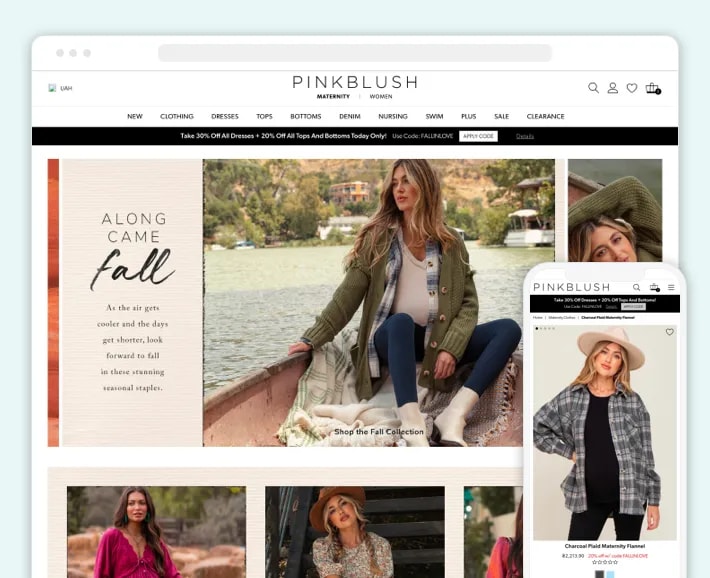
Digital products are the classic low-capital, high-margin side business. Templates, planners, presets, guides, spreadsheets and memberships have no inventory and no shipping costs, so almost every sale is profit.
Start with something you already know well and package it as a template or short guide. Our guides on selling digital products for passive income and writing a digital product business plan walk you through it.
Tools like Crevio go further and use AI to help run the business itself, from building the website and handling checkout and payments to email and social media.
2. Start an Online Store
Difficulty level: Medium
You can sell physical products on marketplaces like Amazon and eBay or on your own store. Source items affordably, make handmade goods, or hunt thrift markets and fairs for things to resell.
Your own store gives you more control over branding and customer data. Shopify’s Basic plan costs $29 a month billed yearly or $39 billed monthly, with a three-day free trial and then $1 a month for three months (Shopify, 2026). Compare options in our list of the best ecommerce platforms.
3. Print-on-Demand (T-Shirts, Stickers, Mugs)
Difficulty level: Easy
Original T-shirts, stickers and mugs are a fun way to turn ideas into products without buying stock. You upload the design, a print partner produces and ships each item when someone orders it.
Printful is free to use with no monthly fees, and because every item is made to order you never pay for unsold inventory (Printful, 2026). Your work is the design and the marketing, so this pairs well with a blog, YouTube channel or Instagram account.
4. Create an Online Course

Difficulty level: Medium
Online learning reaches a global audience and is often cheaper for students than in-person classes. Once created, a good course can keep selling with little ongoing work.
Course platforms handle hosting, payments and student access. Thinkific has no free plan but offers a 30-day free trial, and its Start plan is $82 a month billed annually (Thinkific, 2026). Alternatives like Teachable and Kajabi are compared in our list of the best online course platforms.
Pair your course with a blog or newsletter to attract students. To find out more, read our article: How To Create An Online Course.
5. Start a (Profitable) Blog

Difficulty level: Easy
Blogging is still a great way to turn your knowledge or passion into income. Search has changed a lot with AI answers and frequent algorithm updates, so focus on first-hand experience and topics where you have something original to say.
You can monetize through ads, affiliate marketing and sponsorships, or use the blog to drive traffic to your own products or services. Expect it to take months before traffic and income pick up.
To find out more, read our guides: How to Start a Blog and how to make money blogging.
6. Affiliate Marketing
Difficulty level: Medium
Affiliate marketing means earning a commission when someone buys through your link. It works best on top of an audience you already have, like a blog, newsletter, YouTube channel or social account.
Startup costs are low, but income depends on traffic and trust. Recommend only products you would use yourself, and disclose your links. Browse our list of the best affiliate programs and read how to choose the right affiliate program.
7. YouTube Channel

Difficulty level: Medium
A YouTube channel can earn from ads, sponsorships, affiliate links and your own products. Brands increasingly pay creators to feature their products, and rates grow with your audience.
To earn ad revenue through the YouTube Partner Program, you need 1,000 subscribers plus either 4,000 valid public watch hours in the last 12 months or 10 million valid Shorts views in the last 90 days (YouTube, 2026). See how much YouTubers make for a realistic picture of earnings.
8. Start a Podcast

Difficulty level: Hard
Podcasts make money through sponsorships, listener support and by promoting your own products or services. They also work well as a marketing channel for a consulting or coaching business. Our podcast statistics page covers the audience numbers.
The first step is to plan your episodes and get your equipment. Next, sign up for podcast hosting, which stores your audio and distributes it to Apple Podcasts, Spotify and other apps.
Buzzsprout has a free plan with 2 hours of uploads per month (episodes stay live for 90 days), and paid plans start at $15 a month billed annually (Buzzsprout, 2026).
9. Write and Self-Publish Ebooks

Difficulty level: Easy
Your own ebook can take the form of a professional guide, a cookbook or a story. Writing it takes time, but once written it can be sold an unlimited number of times.
On Amazon Kindle Direct Publishing, you choose between a 35% and a 70% royalty option for each ebook, and the 70% option comes with conditions on territories and copyright status (Amazon, 2026). Offer blog readers a free sample or a shorter ebook first to build an audience that will buy the full version.
10. Instagram and Creator Brand Deals

Difficulty level: Medium
An engaged Instagram or TikTok account can earn from sponsored posts, affiliate links and your own products. Brands care more about engagement in a specific niche than raw follower counts, so small, focused accounts can land deals too.
Treat it as a business: post consistently, track what converts and build an email list so you are not fully dependent on one algorithm. Our guide on how to make money on Instagram covers the details.
11. Social Media Management

Difficulty level: Easy
Many small businesses are willing to pay someone to run their social media accounts. It is a natural fit if you already post well for yourself.
Build your own account first so it can serve as your portfolio. This idea needs no financial investment beyond a scheduling tool, and creativity and reliability are what clients pay for.
Freelance and service side business ideas
12. Graphic and Presentation Design

Difficulty level: Easy
Posters, logos, social graphics, pitch decks and training presentations are all in steady demand. If you have an aesthetic sense, you can learn the basics through free courses and expand your skills with paid training later.
It is a business you can run from anywhere as a freelancer. Start on marketplaces like Fiverr or Upwork to build a portfolio, then move to direct clients.
Check out Adobe Photoshop or a simpler tool like Canva, and compare options in our list of the best graphic design software.
13. Copywriting and Freelance Writing

Difficulty level: Easy
Companies always need website copy, emails, product descriptions and articles. To start, you only need time, a computer and an internet connection.
AI writing tools have made generic content cheap, so specialize. If you know a field well, like car mechanics, finance or software, you can write expert content that companies still pay a premium for.
14. Ghostwriting

Difficulty level: Medium
Ghostwriting means writing articles, LinkedIn posts, newsletters or entire books that are published under someone else’s name. Founders, executives and experts often have the ideas but not the time to write.
If you do not need your name on your work and you are good at capturing someone else’s voice, it is worth taking up seriously. Book projects pay more but take months, while recurring social posts and newsletters give steadier income.
15. Editing and Proofreading

Difficulty level: Medium
It is not only professional agencies that correct texts. If you have always paid special attention to grammar and style, you can offer editing from your laptop.
Self-published authors, students, businesses and non-native speakers all need a careful second pair of eyes. Running this business costs very little, and income depends on the length and type of the texts you edit.
16. Website Development

Difficulty level: Medium
Virtually every company needs a website. Building them is a business that lets you work remotely from anywhere, for clients in any country.
You can learn the basics through online courses, and many small business sites today are built on platforms like Wix or Squarespace. See our list of the best website builders for small business and offer ongoing maintenance for recurring income.
17. SEO Services
Difficulty level: Medium
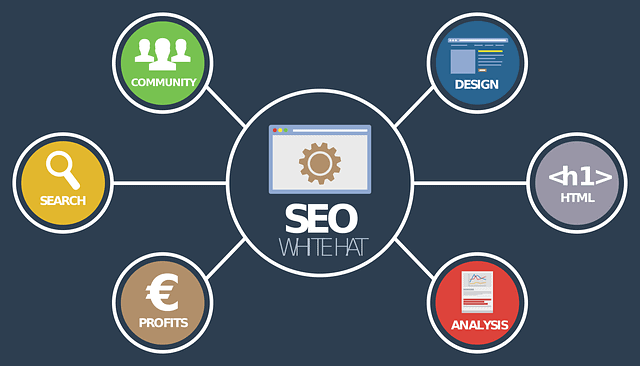
Search visibility drives customers to almost every business. To start, you mainly need to invest in learning, through books, courses and practice.
Before you take clients, rank your own website to show that your techniques work. SEO is a long process, so it suits monthly retainers, which gives you predictable income. Our guide to blog SEO is a good starting point.
18. Bookkeeping

Difficulty level: Medium
Small business owners often hate doing their books, and many would rather pay someone. If you like numbers and know accounting software, you can work for several clients remotely.
The median pay for bookkeeping, accounting and auditing clerks was $50,670 in 2025, according to the BLS. Learn tools like QuickBooks Online and see our list of the best small business accounting software. Check your local rules before offering tax preparation, which often needs extra registration.
19. Translation
Difficulty level: Medium
If you know a foreign language well, you can translate texts online with practically zero startup costs. Less common language pairs and specialist fields like legal or medical translation face less competition.
Interpreters and translators earned a median of $60,170 a year ($28.93 an hour) in May 2025, and about 28% of them are self-employed (BLS). Machine translation handles simple texts now, so position yourself on quality, nuance and post-editing.
20. Online Tutoring

Difficulty level: Easy
If you are strong in a subject, parents and students will happily pay for help, especially before exams. All you need is a video call tool and a quiet room.
Start with private lessons, then grow into group sessions, exam prep packages or a small tutoring agency that recruits other tutors. You can find students through tutoring marketplaces, local parent groups or your own website.
21. Online Language Teaching

Difficulty level: Medium
Learning a language is mostly speaking and listening, which is why online lessons work so well. If you speak a language natively or fluently, you can teach students anywhere in the world.
Offer lessons to private learners and pitch companies that want to train their teams. Conversation practice, business language and exam preparation are popular niches.
22. Virtual Assistant

Difficulty level: Easy
Virtual assistants handle email, calendars, customer support, research and admin for busy founders and small teams. If you are organized and comfortable with digital tools, you can offer this in a few hours a week.
Specializing pays off. A VA who knows a specific tool stack, like an ecommerce backend or a podcast workflow, is easier to find and harder to replace.
23. Voice-Over

Difficulty level: Medium
Do you have an interesting voice and good diction? There are online gigs for voicing explainer videos, ads, games, e-learning and audiobooks.
You will need a decent microphone and a quiet space with some sound treatment. As you gain experience and build a demo reel, you can move from small gigs to longer narration projects.
24. App and No-Code Tool Building

Difficulty level: Medium
You do not have to be a programming master to build a useful app anymore. No-code platforms and AI coding assistants let you build a working product in weeks.
Start with a small tool that solves one painful problem for a specific group, and charge a monthly subscription. You can also build internal tools or automations for local businesses as a service.
25. AI Automation for Small Businesses
Difficulty level: Medium
Many small businesses know AI could save them time but do not know where to start. If you are comfortable with AI tools, you can help them set up chatbots, automate email and admin, or build simple workflows.
Start with businesses you know, like a local agency or a friend’s shop, and document the hours you save them. Those results become your case studies.
26. Travel Planning

Difficulty level: Easy
If you love travel and research, you can plan other people’s trips. For busy people, building a good itinerary is a time-consuming task, and they will pay someone to find flights, hotels and a detailed plan.
Niche down to a destination or a travel style, like family trips or honeymoons. You can combine this business with a travel blog or YouTube channel.
Food side business ideas
Before you sell food, check your local rules. Many U.S. states and European countries have cottage food laws or registration requirements for home kitchens, and they differ a lot by location.
27. Baking to Order

Difficulty level: Easy
Custom cakes, cookies and bread for birthdays, weddings and office events are a classic home-based side business. You can start with the oven you already have.
Post your work on Instagram and local groups, take orders for weekends, and grow into wholesale for cafés once you have steady demand.
28. Meal Prep and Personal Chef

Difficulty level: Medium
More people want healthy, ready-made meals but have no time to cook. If you like cooking and have a few reliable recipes, you can prepare weekly meals for busy families or cook in clients’ homes.
At the start, you mainly invest in ingredients, containers and transport. Cooking in the client’s kitchen as a personal chef can also simplify some food-safety rules, depending on where you live.
29. Cooking Classes

Difficulty level: Medium
You can also earn by teaching others to cook. Vegetarian and vegan cooking, baking, and cuisines from your own background are popular themes.
Run classes in clients’ homes, rent a community kitchen, or teach online. Corporate team-building sessions are a good way to fill bigger groups.
30. Food Truck

Difficulty level: Hard
Food trucks are popular, but buying and fitting out a truck is one of the most expensive ideas on this list. It also involves permits, commissary kitchens and inspections.
Test your menu first with a market stall, pop-ups or catering. Once you have regular customers and know your best-selling dishes, the move to a truck is far less risky.
31. Herbs and Microgreens

Difficulty level: Medium
Fresh herbs and microgreens grow in small spaces, even indoors, and restaurants and farmers’ market shoppers pay for quality and freshness.
Start small with a few shelves and grow lights, find two or three restaurant buyers, and expand once your harvest schedule is reliable.
32. Beekeeping and Honey

Difficulty level: Hard
Local honey sells well at markets and in gift shops, and beeswax can become candles or cosmetics. You will need hives, equipment, space and time to learn.
Expect your first season to be mostly about learning. Join a local beekeeping association before buying your first colony.
Health and wellness side business ideas
33. Personal Trainer

Difficulty level: Medium
Personal training fits well around a day job, because clients often want early-morning, evening and weekend sessions. You can train people in parks, their homes, a gym, or online.
Fitness trainers and instructors earned a median of $47,160 a year in May 2025, employment is projected to grow 7% from 2025 to 2035, and about 15% are self-employed (BLS). Most clients and gyms expect a recognized certification.
34. Yoga and Meditation Instructor

Difficulty level: Medium
Yoga and meditation classes suit evenings and weekends. You can teach in studios, parks, offices or online.
A teacher training certificate is the usual first step. Corporate wellness sessions and small private groups tend to pay better than drop-in studio classes.
35. Handmade Cosmetics and Soap

Difficulty level: Medium
Natural soaps, balms, candles and skincare sell well at markets and online. Small batches let you test scents and recipes cheaply.
Check your labeling and safety rules before you sell, as cosmetics are regulated in both the U.S. and the EU. Good packaging and product photos do a lot of the selling for you.
36. Nutrition Coaching

Difficulty level: Medium
Many people want help building better eating habits. Nutrition coaching can be done entirely online through video calls and meal plans.
Rules vary by location: in many places, giving medical nutrition advice requires a license, while general wellness coaching does not. Get a credential and be clear about what you offer.
Home, local and repair side business ideas
37. Cleaning Service

Difficulty level: Easy
Home and office cleaning needs basic supplies and reliability. Weekend and evening slots suit people with day jobs, and office cleaning usually happens after hours anyway.
Recurring weekly or biweekly clients are the key to stable income. Add services like move-out cleans, carpet cleaning or home organizing to raise your average job value.
38. Lawn and Garden Care

Difficulty level: Easy
Mowing, trimming, planting and seasonal cleanups are in demand in every neighborhood with gardens. You can start with your own equipment and a few neighbors as first clients.
In winter, switch to snow removal or holiday light installation to keep income steady through the year.
39. Pet Sitting and Dog Walking

Difficulty level: Easy
If you love animals, pet sitting and dog walking are among the easiest side businesses to start. Early-morning walks, evening visits and weekend sitting fit around a full-time job.
Animal care and service workers earned a median of $35,530 a year ($17.08 an hour) in 2025, and employment is projected to grow 11% from 2025 to 2035, much faster than average (BLS). Get insured and collect reviews early, since trust is what wins clients.
40. Dog Training

Difficulty level: Medium
Puppy training, obedience classes and behavior help are in steady demand. You can do private sessions at clients’ homes or run group classes in a park.
The necessary knowledge can be gained through courses and certification. A clear package, like a six-week puppy program, is easier to sell than single lessons.
41. Furniture Flipping and Restoration

Difficulty level: Medium
Buy old furniture cheaply at flea markets, estate sales or online, then sand, paint and restore it. Restored pieces sell well on marketplace apps and at markets.
You need tools, a work space and some patience. Before-and-after photos also make great content for social media.
42. Tailoring and Alterations

Difficulty level: Medium
Hemming trousers, taking in dresses and repairing clothes is skilled work that fewer people can do themselves. A sewing machine and a corner of your home are enough to start.
Partner with local dry cleaners or bridal shops for a steady flow of work.
43. Phone and Computer Repair
Difficulty level: Medium
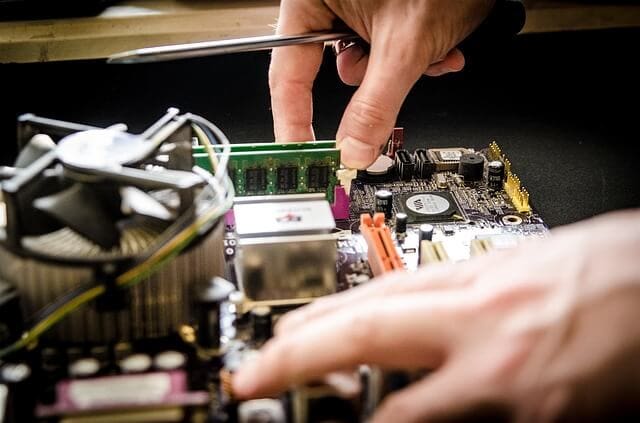
Cracked screens, dying batteries and slow laptops are everyday problems. If you are good with electronics, you can repair devices from home or offer on-site help.
Setup help for older people, data recovery and home network installation are good add-on services.
44. Bike Repair

Difficulty level: Medium
With more people cycling and riding e-bikes, tune-ups and repairs are in demand, especially in spring. A mobile repair service that comes to customers’ homes or offices stands out.
You can add bike rentals for tourists or weekend riders once you have a few spare bikes.
45. Mobile Car Detailing

Difficulty level: Medium
Instead of opening a car wash, bring the wash to the customer. Mobile detailing needs good products and equipment, but no premises.
Offer packages for interior cleaning, polishing and ceramic coatings. Office parks and apartment complexes let you serve several cars in one trip.
46. Rent Out Things You Already Own

Difficulty level: Easy
Kayaks, paddleboards, car roof racks, camping gear, tools, party equipment and even a spare garage or parking spot can earn money while you are at work.
List items on rental marketplaces or local groups, and set clear deposit and damage rules. It is one of the lowest-effort ideas on this list if you already own the gear.
47. Local Tour Guide

Difficulty level: Easy
If you know your city’s history, food scene or hidden spots, you can run walking tours, food tours or bike tours on weekends.
List your tours on experience marketplaces and collect reviews. Some cities require a guide license, so check before you start.
Creative, events and resale side business ideas
48. Photography

Difficulty level: Medium
Weddings, family portraits, events, product shots and real estate photos are all paid work that often happens on weekends. Good gear costs real money, so start with what you have and upgrade as bookings grow.
Pick a niche, build a portfolio with a few discounted shoots, and sell stock photos or presets on the side.
49. Event and Wedding Planning

Difficulty level: Medium
Weddings, birthdays and corporate events need someone to coordinate decorations, food, music and vendors. If you are very organized and know the local market, this has low running costs.
Start with day-of coordination for friends and family to build references. Over time, your vendor network becomes your biggest asset.
50. Music Lessons

Difficulty level: Medium
Learning an instrument is very hard without a good teacher. If you play well, you can give private lessons at your home, at students’ homes, or online.
Evening and weekend slots work for both you and most students. Monthly lesson packages make income more predictable.
51. Handmade Goods on Etsy

Difficulty level: Easy
Jewelry, ceramics, wood carvings, greeting cards and ornaments can all become a business. You work from home and mainly pay for materials.
Etsy charges a $0.20 listing fee per item and a 6.5% transaction fee, plus payment processing fees that vary by country (Etsy, 2026). If you want to sell printables instead, read how to sell digital downloads on Etsy.
52. Vintage and Antique Reselling

Difficulty level: Easy
If you can spot value in old items, reselling vintage clothing, furniture, books and antiques is a low-cost way to start. Thrift stores, estate sales and friends’ basements are full of things other people will pay for.
Start with a small budget, learn which categories sell fastest, and list on resale apps and marketplaces.
53. Career Coaching and Resume Writing

Difficulty level: Medium
If you have hired people or know an industry well, you can help job seekers with resumes, LinkedIn profiles, interview prep and career changes.
There are no big costs to start, but your own professional track record is what sells. Fixed-price packages are easier to sell than hourly coaching.
54. Interior Decorating and Home Staging

Difficulty level: Medium
If friends always ask for your opinion on their homes, you can offer room makeovers, color consultations or virtual design plans.
Home staging for people selling their property is another angle. Partner with local real estate agents, who can send you steady work.
Frequently asked questions about side businesses
What is the best side business to start?
The best side business is one that uses skills you already have, costs little to start and fits your free hours. For most people, that means a freelance service (writing, design, bookkeeping, tutoring) or a local service (pet sitting, cleaning, lawn care), because you can find paying customers within days.
What side business can I start with little or no money?
Service businesses are the cheapest to start: freelance writing, virtual assistant work, social media management, tutoring, pet sitting and cleaning need little more than what you already own. Digital products and print-on-demand are also low-cost, since Printful has no monthly fees and digital files have no inventory (Printful, 2026).
What is the most profitable side business?
Profitability depends more on your skills and pricing than on the idea itself. High-skill services like SEO, web development, bookkeeping and consulting command higher rates, while digital products and courses have the highest margins because each extra sale costs almost nothing. Keep expectations realistic: Bankrate found side hustlers earned an average of $885 but a median of $200 a month in 2025.
Can I have a side business while working full time?
Yes. Many people do, as long as their employment contract allows it. Check for non-compete, conflict-of-interest and intellectual property clauses, never use your employer’s time or equipment, and pick a business with flexible hours, like freelancing, online sales or weekend services.
How much can I earn from a side business?
It varies widely. Intuit QuickBooks found side hustlers averaged $2,038 a month in 2025, while Bankrate’s 2025 survey found a median of only $200 a month. A few high earners pull the averages up, so plan for modest income at first and grow from there.
Do I need to pay taxes on side business income?
Yes. In the U.S., you must file if your net self-employment earnings are $400 or more, and the self-employment tax rate is 15.3% (12.4% Social Security plus 2.9% Medicare), on top of income tax (IRS, 2026). Rules differ in other countries, so set aside part of every payment and talk to an accountant.
Do I need an LLC for a side business?
Not always. Many side businesses start as sole proprietorships, but an LLC can separate your personal and business liability. Read our guide on how to set up an LLC to decide.
What are the best low-capital, high-profit small business ideas in the USA and Europe?
The same ideas work on both sides of the Atlantic: freelance services, online tutoring and language teaching, digital products, print-on-demand, bookkeeping and local services like pet sitting and cleaning. What changes is the paperwork, such as business registration, VAT in Europe, and local rules for food, cosmetics and childcare.
Summary – Now It’s Your Turn
All of the side business ideas above can help you earn extra income with a low or manageable startup cost. If you are not sure where to begin, start with a service you can sell this week, then build a digital product or online channel around it.
If you need money to get going, consider these options:
- Start slow on a tight budget and self-fund the business (lowest cost, and you keep full ownership).
- Find a business partner who is willing to take a financial stake and partial ownership.
- Look into an SBA microloan for your initial capital.
- Pitch an angel investor in your sector if the business needs substantial funding.
- Be careful with credit cards, and only use them for early growth if the interest rate is low.
Each option has pros and cons. Bootstrapping lets you keep ownership, though growth will likely be slower than with outside capital.
Did you like any of the business ideas? What did we miss?
Maybe you have friends who recently started something exciting, or you want to share your own business idea? Let us know in the comment section below.